
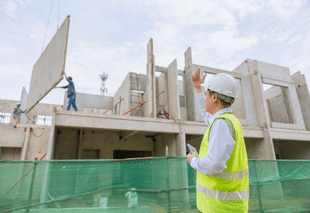
The construction landscape is undergoing a rapid transformation driven by advanced engineering, sustainability standards, and the demand for faster project delivery. Among the innovations redefining the global building sector, precast concrete stands out as one of the most disruptive and influential technologies. Its rise is reshaping the way infrastructure, commercial buildings, residential complexes, and industrial facilities are conceptualized and executed. By combining superior quality control, accelerated timelines, and exceptional structural performance, precast concrete is positioning itself as a cornerstone of future-ready construction.
1. Precision Manufacturing and Superior Quality Control
One of the most powerful advantages of precast concrete is its controlled manufacturing environment. Unlike traditional on-site casting, precast components are produced in technologically advanced facilities where temperature, curing conditions, reinforcement placement, and material compositions are meticulously regulated.
This precision leads to:
-
Consistent structural integrity, free from weather disruption
-
Reduced material variability, ensuring high-performance outcomes
-
Higher compressive strength, achieved through optimized curing
-
Minimal human error, thanks to automated casting systems
The result is a product that surpasses the quality standards of conventional concrete elements and ensures long-term durability across diverse structural applications.
2. Accelerated Construction and Reduced Project Timelines
Speed is a defining factor in modern construction. Precast concrete dramatically shortens project timelines by allowing multiple phases to occur simultaneously. While foundations are being prepared on-site, structural walls, beams, slabs, and façade elements are manufactured off-site.
This parallel workflow results in:
-
Faster assembly through modular installation
-
Less dependency on weather conditions
-
Reduced on-site labor requirements
-
Streamlined coordination and sequencing
For large-scale projects such as hospitals, metro stations, data centers, and commercial towers, precast technology significantly reduces the overall construction duration, leading to quicker occupancy and improved cost efficiency.
3. Enhanced Sustainability and Reduced Environmental Impact
Sustainability has become a critical priority across the construction sector. Precast concrete aligns exceptionally well with environmental performance targets by minimizing waste, lowering emissions, and supporting energy-efficient building strategies.
Key sustainability benefits include:
-
Optimized material usage, reducing overall resource consumption
-
Recyclable production waste, reintegrated into future mixes
-
Reduced site disturbance, due to minimal on-site casting work
-
Compatibility with low-carbon concrete formulations
Furthermore, precast panels can integrate insulation layers and thermal breaks, significantly improving building energy performance and contributing to greener design strategies.
4. Exceptional Structural Performance and Long-Term Durability
Precast concrete offers unmatched structural reliability that makes it ideal for demanding environments. The technology enables precise reinforcement alignment and uniform curing, resulting in components with superior density, strength, and resistance to external stressors.
Its performance advantages include:
-
High load-bearing capacity suitable for heavy industrial applications
-
Enhanced fire resistance, reducing risk during catastrophic events
-
Superior resistance to moisture, corrosion, and chemical exposure
-
Improved seismic behavior, especially in engineered precast frame systems
These attributes ensure that precast structures remain resilient throughout decades of use, even in extreme climates or high-risk zones.

5. Architectural Flexibility and Design Freedom
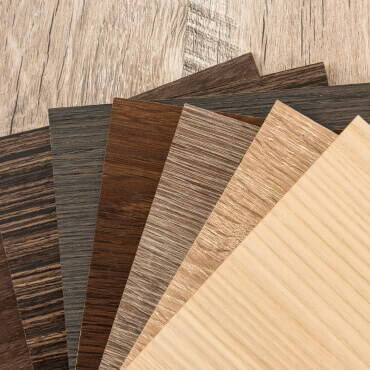
Precast concrete offers vast design flexibility through advanced molds and digital fabrication. Key benefits include:
-
Customizable surfaces (smooth, textured, patterned)
-
Large-span panels and curved geometries
-
Intricate, precision-made façade elements
-
Pigment-integrated and polished finishes
This flexibility enables striking architectural aesthetics without sacrificing structural integrity.
6. Cost Efficiency Through Optimized Operations
Despite a higher initial investment, precast concrete leads to long-term savings through:
-
Reduced labor costs due to off-site manufacturing
-
Faster project completion and earlier revenue generation
-
Minimized material waste
-
Lower maintenance over the building’s lifespan
Precast is a financially strategic solution for developers and contractors.
7. Improved Safety and Reduced On-Site Risks
Precast reduces construction risks by shifting much of the work to controlled factory environments, leading to:
-
Fewer on-site accidents (e.g., working at heights)
-
Reduced exposure to wet concrete and chemicals
-
More organized, predictable work environments
This enhances worker safety and aligns with global safety standards.
8. Seamless Integration with Modern Building Technologies
Precast concrete can integrate with advanced technologies, enabling:
-
Embedded sensors and IoT systems
-
Smart façade features and energy-efficient solutions
-
Precision-aligned mechanical and electrical systems
This makes precast essential for creating smart, interconnected buildings of the future.