
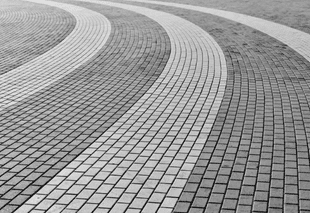
Modern landscapes are evolving rapidly, merging architectural precision with artistic detailing to create outdoor environments that are both functional and visually captivating. Among the most influential components in this transformation are paver blocks—versatile, durable, and increasingly sophisticated in design. Today’s landscape architects, builders, and homeowners are embracing innovative patterns, advanced materials, and cutting-edge technologies to elevate exterior spaces. Below is an in-depth look at the top trends shaping paver block designs in contemporary landscaping.
1. Geometric Precision and Architectural Patterns
Clean geometry continues to dominate modern landscape aesthetics. Paver blocks are now being engineered in bolder shapes—hexagons, trapezoids, elongated rectangles, chevrons, and modular grids—that allow designers to construct visually striking layouts. These patterns create dynamic movement across walkways, driveways, and patios, shifting the focus from simple function to architectural artistry.
Interlocking configurations with sharp angular alignment also enhance structural stability. This fusion of visual appeal and engineering efficiency is one of the strongest trends defining high-end outdoor design.
2. Minimalist Color Palettes and Monochromatic Themes
Contemporary landscapes tend to favor subtlety and refined tonal harmony. Neutral palettes—slate gray, charcoal, beige, ivory, and muted earth tones—are increasingly preferred for their ability to harmonize with natural elements and modern façades.
Monochromatic schemes using a single color family in varying saturation levels create a seamless, balanced appearance. This restrained approach complements metal accents, glass structures, and minimalist planting layouts, establishing an ultra-modern, cohesive ambiance.
3. Textured Surfaces and High-Performance Finishes
Surface innovation is another growing direction in paver development. Advanced manufacturing techniques now allow for multiple textures within the same block, such as matte finishes combined with micro-granular or brushed surfaces. These tactile variations enhance grip, reduce slipperiness, and elevate the sensory appeal of outdoor floors.
High-performance coatings—such as nano-sealants, water-repellent barriers, and UV-resistant laminations—extend paver longevity. These technologies help preserve color, safeguard against algae formation, and resist harsh weather conditions, making them ideal for high-traffic areas and climate-challenging zones.
4. Eco-Conscious and Permeable Paver Systems
Sustainability is now a core priority in landscape design. Permeable paver blocks are gaining widespread acceptance due to their ability to support groundwater recharge and minimize surface runoff. Their porous structure allows rainwater to naturally infiltrate the soil, reducing erosion and promoting ecological balance.
Manufacturers are also integrating recycled aggregates, industrial by-products, and low-carbon binders into paver production. The result is a new generation of environmentally responsible blocks that deliver both performance and aesthetic sophistication without compromising the planet.
5. Modular Multi-Size Layouts for Dynamic Visual Rhythm
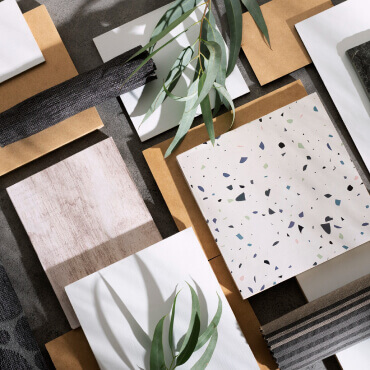
Instead of uniform block sizes, modern landscapes increasingly incorporate modular pavers in multiple dimensions. Combining small, medium, and large units within a single pattern creates depth, visual rhythm, and architectural fluidity.
These modular systems are designed for seamless installation and allow designers to curate customized surfaces tailored to the site’s proportions. Whether creating a grand driveway or an intricate courtyard, multi-size arrangements offer adaptability without sacrificing modern elegance.
6. Integration of Smart Lighting and Digital Landscape Features
The intersection of technology and landscaping is becoming more prominent. Paver blocks are now being designed to integrate discreet LED lighting channels, fiber-optic systems, and embedded smart features. This illumination not only enhances nighttime safety but also highlights architectural geometry and creates ambient outdoor atmospheres.
Additionally, advanced landscape systems can synchronize lighting with motion sensors, automated controls, and smart-home platforms—introducing intelligent functionality to outdoor flooring elements.
7. Natural Stone Inspiration with Engineered Performance
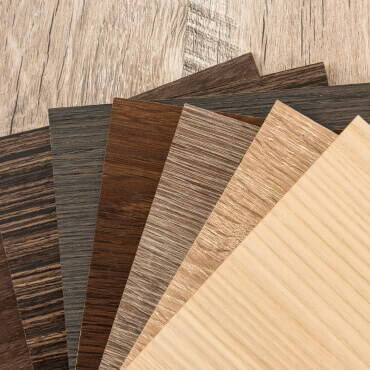
While natural stone remains a classic favorite, engineered paver blocks now replicate the look of granite, sandstone, marble, and travertine with remarkable realism. High-definition surface printing and digital texturing technologies allow for stone-like aesthetics while maintaining the structural resilience of engineered concrete.
These pavers offer consistent dimensions, enhanced load-bearing capacity, and lower maintenance requirements. They bridge the gap between timeless natural beauty and cutting-edge manufacturing efficiency.
8. Large-Format Pavers for Luxury Minimalism
Oversized paver blocks are one of the most influential trends in luxury landscape design. Large-format pavers—available in rectangular or square dimensions—create expansive, uninterrupted surfaces that exude modern sophistication.
Their clean lines and broad spans visually enlarge outdoor areas, making them ideal for pool decks, courtyards, and contemporary garden paths. With fewer joints and a streamlined appearance, they contribute to a high-end architectural aesthetic.
9. Customized Patterns and Bespoke Designs
Personalization is becoming essential in landscape architecture. Homeowners and designers are increasingly opting for customized paver block patterns— incorporating brand motifs, personalized emblems, geometric artwork, or region-inspired themes.
Advanced CNC cutting and digital fabrication technologies enable precise customization, transforming standard hardscapes into works of art. These bespoke elements add exclusivity and emotional value to residential and commercial outdoor environments.
Conclusion
The evolution of paver block designs reflects the broader transformation of modern landscapes—where innovation, sustainability, technology, and artistic expression converge. Today’s paver blocks are not merely functional components; they are highly engineered design assets that elevate outdoor environments to new levels of sophistication.
With advancements in materials, customization capabilities, and smart technologies, paver landscapes are becoming more visually appealing, eco-friendly, and future-ready. As these trends continue to evolve, they set the foundation for outdoor spaces that are enduring, aesthetically refined, and aligned with modern architectural aspirations.